Source waterproof abrasion resistant nylon fabric for bags tents and coats
Compare 30 listings of waterproof abrasion resistant nylon fabric suitable for bags, tents, and coats. Buyers can evaluate properties like flame retardancy, density, and coating types from verified Chinese suppliers offering customized options.
Key considerations
Products List



Comprehensive Sourcing Guide
Strategic Sourcing Guide for Waterproof Abrasion Resistant Nylon Fabric
Understanding Material Composition and Core Properties
When sourcing waterproof abrasion resistant nylon fabric, the primary objective is to identify materials that balance durability with functional performance. The core material identified in current market listings is 100% Nylon, often processed into specific yarn counts such as 400D*200D or 900D configurations. The denier (D) measurement indicates the thickness and strength of the individual fibers; higher denier values generally correlate with increased abrasion resistance and tensile strength, making them suitable for heavy-duty applications. The fabric structure is typically woven, utilizing techniques that create a tight interlock to prevent water penetration while maintaining structural integrity under stress.
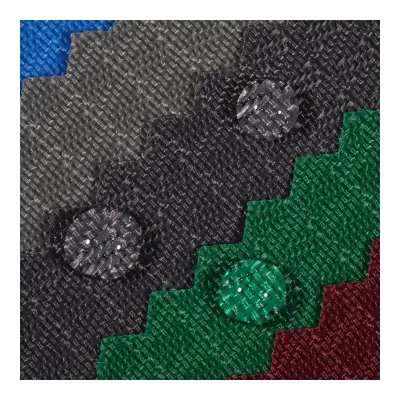
A critical attribute of this material class is its coating technology. The most prevalent coating observed in reliable listings is PU (Polyurethane) coating. This coating is essential for achieving the waterproof and downproof properties required for outdoor gear. The coating process not only seals the weave to prevent moisture ingress but also enhances the fabric's resistance to abrasion and tearing. Buyers must verify the specific coated type, as variations in coating thickness and application can significantly alter the fabric's flexibility and breathability. While some listings mention "Oxford fabric" as a type, the underlying material composition remains nylon, distinguishing it from polyester alternatives which may offer different cost structures and performance profiles.
Technical Specifications and Performance Metrics
Evaluating the technical specifications of waterproof nylon fabric requires a granular approach to ensure the material meets the specific demands of the end product. Key metrics include weight, density, and width. In the current market, fabric weights range from approximately 110 GSM (grams per square meter) for lighter applications to 280 GSM for heavier, more durable variants. Density, often expressed in threads per inch (e.g., 210T or 66T), is a crucial indicator of the fabric's tightness and potential for water resistance. A higher thread count generally suggests a tighter weave, which reduces the likelihood of water penetration through the fabric matrix.
Width is another standardized specification that influences cutting efficiency and waste reduction. Common widths observed include 58 inches, 57/58 inches, and 60 inches. Selecting the correct width is vital for pattern making and minimizing off-cuts in manufacturing. Additionally, the thickness is categorized as medium weight, which provides a balance between flexibility and protection. The fabric's ability to withstand low temperatures and heat is a specific property that buyers should verify, as extreme environmental conditions can degrade certain nylon blends or coatings.
| Specification | Typical Range/Observation | Application Implication |
|---|---|---|
| Material | 100% Nylon | High strength, abrasion resistance, and elasticity |
| Yarn Count | 400D200D, 900900D | Determines fabric thickness and durability level |
| Weight | 110 GSM to 280 GSM | Lighter for apparel, heavier for bags and tents |
| Width | 57" to 60" | Affects pattern layout and material yield |
| Coating | PU Coated | Provides waterproof and downproof barrier |
| Density | 66T to 210T | Indicates weave tightness and tear resistance |
| Style | Ripstop, Plain, Twill, etc. | Influences aesthetic and specific mechanical properties |
Compliance, Certification, and Environmental Standards
In the realm of B2B procurement, verifying compliance and certification is as important as the physical properties of the fabric. While specific certification statuses like GOTS, OEKO-TEX, or ISO 14001 are often cited in broader industry contexts, buyers must treat these as verification points rather than guaranteed attributes of every listing. The supplied data indicates that the material offers "Environment Protection Renewable" advantages, suggesting a potential alignment with sustainability goals, but this should be confirmed through direct supplier documentation.
Buyers should explicitly request proof of compliance with relevant safety and environmental standards. For fabrics intended for children's apparel or intimate wear, verifying that the material is free from harmful substances is critical. Standards such as REACH or ISO 11612 (protective clothing against heat and flame) may be relevant depending on the application, particularly for industrial or protective gear. It is imperative to note that while "Flame Retardancy" is listed as a property in some product descriptions, this is an observation of specific batches and not a universal guarantee for all nylon fabrics. Procurement teams must request test reports to confirm that the specific lot of fabric meets the required fire safety standards for the target market.
Cost Drivers and Economic Factors
The cost of waterproof abrasion resistant nylon fabric is influenced by several dynamic factors, primarily material composition, coating complexity, and order volume. The base cost is driven by the price of raw nylon and the specific denier count; higher denier fabrics like 900D typically command a higher price point than lighter 400D variants due to the increased material usage. The type of coating also plays a significant role; PU coatings are standard, but specialized coatings for enhanced breathability or extreme weather resistance can increase the unit cost.
Order volume is a major determinant of pricing. The Minimum Order Quantity (MOQ) observed in the market ranges widely, from as low as 1 unit for sampling or small-batch customization to 10,000 units for large-scale production runs. Suppliers often offer tiered pricing structures where the unit cost decreases significantly as the order volume increases. Additionally, the supply type—whether "Make-To-Order" or "In-Stock Items"—impacts the final price. In-stock items may offer immediate availability at a premium, while make-to-order options allow for customization but may involve longer lead times and different pricing models. Buyers should also consider the cost of packaging, as export packing standards are standard practice but can vary in complexity and cost.
Typical Applications and Use Cases
The versatility of waterproof abrasion resistant nylon fabric makes it suitable for a diverse array of applications. The primary use cases identified include outdoor apparel, protective gear, and industrial textiles. In the fashion sector, this fabric is utilized for ultralight outdoor jackets, coats, and blazers, where the combination of waterproofing and breathability is essential for comfort. The material's durability makes it ideal for fashion accessories such as bags, purses, totes, and hats, which require resistance to daily wear and tear.
Beyond apparel, the fabric is extensively used in the manufacturing of tents, umbrellas, and industrial covers. The "Downproof" feature is particularly valuable for sleeping bags and outdoor bedding, preventing down feathers from escaping while maintaining thermal insulation. In the automotive and transportation sectors, the fabric is used for car covers and interior components where abrasion resistance is paramount. The "Ripstop" style, often found in this category, is specifically designed to prevent tears from spreading, making it a preferred choice for parachutes, banners, and heavy-duty bags. The ability to customize the fabric for specific industries, such as dancewear or uniform manufacturing, further expands its utility across the global market.
Supplier Evaluation and Procurement Strategy
Selecting the right supplier requires a rigorous evaluation process that goes beyond the initial product listing. Buyers should prioritize suppliers who demonstrate transparency regarding their production capabilities and quality control measures. The origin of the fabric, often listed as Guangdong, China, indicates a major manufacturing hub, but the specific factory's capacity and reputation must be verified. Key evaluation criteria include the supplier's ability to handle customization requests, such as specific yarn counts, widths, and coating types.
When assessing suppliers, buyers should look for evidence of a robust supply chain. The "Make-To-Order" and "In-Stock" supply types indicate different operational models; a supplier offering both may provide greater flexibility. It is crucial to verify the supplier's capacity to meet lead times, especially for large orders. While specific lead times are not provided in the general data, buyers should negotiate clear timelines based on order volume and customization requirements. Additionally, the supplier's ability to provide samples for testing is a critical step in the evaluation process. Buyers should request physical samples to test for waterproofing, abrasion resistance, and coating adhesion before committing to a large purchase.
Quality Control and Long-Term Procurement Considerations
Implementing a robust quality control (QC) protocol is essential to ensure that the purchased fabric meets the required specifications. QC should begin at the raw material stage, verifying the nylon content and yarn quality. During the production process, inspections should focus on the consistency of the PU coating, the tightness of the weave, and the uniformity of the width. Post-production testing should include water resistance tests, abrasion resistance tests, and tensile strength evaluations to confirm that the fabric performs as expected under real-world conditions.
For long-term procurement, building a relationship with a reliable supplier is key. Buyers should consider the supplier's ability to maintain consistent quality over time and their responsiveness to any issues that arise. Customization capabilities, such as the ability to adjust yarn count or width, offer a competitive advantage for buyers with specific product requirements. Furthermore, understanding the supply type—whether the supplier operates on a make-to-order basis or holds inventory—can help buyers manage their inventory levels and cash flow effectively. By focusing on these strategic elements, buyers can secure a steady supply of high-quality waterproof abrasion resistant nylon fabric that supports their business goals and product quality standards.
FAQs
What material is used for waterproof abrasion resistant nylon fabric?
The fabric is made from 100% Nylon, often in 400D or 900D yarn counts. This material provides high strength and abrasion resistance while maintaining flexibility for various applications like bags and jackets.
Can this fabric be customized for specific projects?
Yes, customization is available for yarn count, width, and coating types. Buyers can request specific dimensions like 58 inches or 60 inches and choose between PU coated finishes to meet unique product requirements.
What is the minimum order quantity for this fabric?
The minimum order quantity can be as low as 1 unit for sampling or small batches. However, larger production runs may require quantities up to 10,000 units depending on the supplier and customization needs.
How is the fabric coated to ensure waterproofing?
The fabric typically uses a PU coating to achieve waterproof and downproof properties. This coating seals the woven structure to prevent water penetration while enhancing resistance to abrasion and tearing for outdoor use.
Which applications are suitable for this durable fabric?
It is suitable for bags, tents, outdoor jackets, and fashion accessories like hats and purses. The material also works well for industrial uses, umbrellas, and home textiles requiring water and abrasion resistance.
What are the typical weight and density specifications?
Weights range from 110 GSM for lighter apparel to 280 GSM for heavier industrial uses. Density varies from 66T to 210T, indicating weave tightness that influences water resistance and overall durability of the fabric.